Ask most struggling salespeople what they need, and you will usually hear the same answer: “I need more leads.” Of course they do. Everyone wants more leads. Leads are exciting. Leads feel like opportunity. Leads make the sales meeting sound hopeful. But here is the uncomfortable truth: many salespeople don’t have a lead problem. Most salespeople don’t need more leads. They need to stop blaming the leads they already ignored.
Business owners see this all the time. The company spends money on marketing, websites, networking, ads, referral visits, social media, chamber events, and branded shirts that somehow never fit right. Leads come in. Conversations happen. Business cards are exchanged. Promises are made. Then, somewhere between “I’ll get back to you” and “I meant to call them,” the opportunity dies a quiet little death.
That is not a lead issue. That’s a sales discipline issue.
Most sales are not closed on the first conversation. Most prospects need time. Most relationships take time! They need trust. They need reminders. They need a reason to believe your company is not just another vendor making big claims and disappearing like a magician with a cell phone plan. Follow-up is where trust is built. It is where professionalism shows up. It is where the salesperson proves they were actually listening.
The problem is that too many route marketing and salespeople confuse activity with progress. They make the first call, drop off the brochure, shake the hand, send one email, and then declare the prospect “not ready.” That is not sales. That is tossing a seed on concrete and blaming the weather.
Good follow-up is not pestering. It is not sending the same boring “just checking in” email every two weeks until the prospect considers changing their name and moving to another county. Good follow-up is useful. It brings value. It references the previous conversation. It answers a question. It shares an idea. It helps the prospect think, decide, or solve a problem.
That’s the difference between a salesperson who becomes a trusted resource and one who becomes background noise.
For service businesses, this matters even more. Whether you are selling remodeling, home care, cleaning, restoration, HVAC, roofing, plumbing, insurance, landscaping, or any other local service, trust is the real currency. People hire companies they believe will show up, communicate clearly, solve problems, and not create new ones. Follow-up is your chance to prove that before they ever become a customer.
Owners should be paying close attention to this. If your salesperson keeps asking for more leads, ask what happened to the last fifty. Were they logged? Were they categorized? Were next steps scheduled? Was there a reason for each follow-up? Did the Field Marketing Rep or Salesperson learn anything useful? Or did those leads get shoved into the mysterious swamp known as “I’ll circle back later”?
A strong Business Development process doesn’t let opportunities float around like loose napkins in a wrapped company car. It tracks them. It nurtures them. It assigns next steps. It turns conversations into momentum.
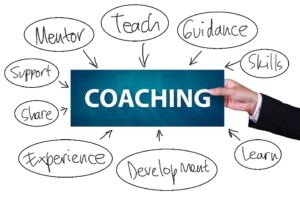 That is where coaching changes the game. Business Development Representatives usually don’t need another motivational speech, another stack of leads, or another lecture about “getting out there.” They need structure. They need better habits. They need accountability. They need to understand what meaningful follow-up actually looks like.
More leads can help a good salesperson grow faster. But more leads will not fix poor discipline, weak messaging, bad timing, lazy notes, or follow-up that sounds like it was written during a hostage situation.
The fortune is not just in the follow-up. The fortune is in the right follow-up.
Because the referral or sale usually doesn’t go to the person who showed up once. It goes to the person who showed up with purpose, paid attention, stayed useful, and made the prospect feel safe choosing them.
That isn’t magic. That’s good coaching and training.
 Dick Wagner 419-202-6745 Dick@AskDickWagner.com
Nationally recognized coach, consultant, trainer, and speaker
Creator of the “Marketing Genius Podcast”
Copyright© 2026 AskDickWagner, LLC All Rights Reserved
No Part Of This Document May Be Reproduced In Any Form
Written Permission required to share this article.


